





From Justice to Homelessness: How We Are Changing the Social Narrative
September 9, 2016
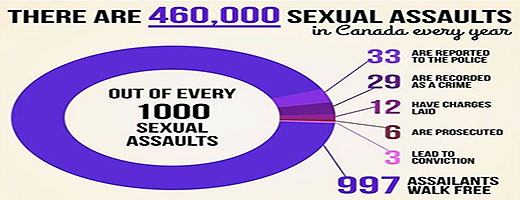
The news this week is flooded by the inquiry into Justice Robin Camp’s performance during a sexual assault trial in 2014. A rare inquiry is determining whether Justice Camp’s comments at trial – including questioning why the victim “couldn’t just keep her knees together” – are so unbefitting a judge that Camp should lose his position.
The inquiry into Camp continues to highlight serious issues: with Camp’s behaviour to be sure but also with blatant training and knowledge gaps within the justice system and with societal conditions for women, particularly those who are further marginalized by race, poverty and homeless.
At the YWCA, we know that Judge Camp is only one, highly publicized, example of far too common systemic failures for sexual assault and domestic abuse survivors. We know that those who have experienced assault or abuse lack confidence in the justice system and articulate this as a key reason for choosing not to report their assault. Regardless of whether Camp’s egregious behaviours mean he is made an example of and loses his seat on the bench, it is time for broader change.
But how? At the YWCA, through our advocacy efforts, we are speaking up as part of Status of Women Canada’s new engagement on ending gender-based violence. We’re also engaging with the new Alberta Status of Women department on key focus areas for their work inside government.
On the ground, our dedicated team is working hard each day to transform our services to best meet the needs of women seeking support. Early in 2016, we released our Practice Framework. The practice framework is a document that outlines our philosophy and clarifies the way we work with women and their families. The purpose of the practice framework is to:
- Provide a unifying focus for all aspects of the YWCA; from client service to advocacy and operations.
- Articulate our stand on violence against women, women’s poverty and women’s homelessness and how we will intervene and support women.
- Recognize the central role that our beliefs and values play in how we support women who are impacted by abuse, poverty and homelessness.
- Provide guidelines for principle-based, women-centered services which focus on increasing the safety of women and their children.
- Articulate a framework to guide frontline practice at the YWCA.
- Promote evidence-based good practice among service providers at the YWCA.
- Contribute to, and influence the social narratives about women’s issues.
- Safety first.
- Violence-informed and trauma sensitive approach.
- Women-centered and feminist-based frameworks.
- Intersectional and anti-oppressive approaches.
- Inclusive, low-barrier services.
- Harm reduction approach.
- Support for women as mothers: linking the safety and well-being of women and their children.